Borevo
In 2026, the demand for AI solutions continues to surge. Choosing an AI server solutions provider is crucial. With technology evolving rapidly, many businesses face challenges in this area. It's essential to identify reliable providers that meet specific needs.
Different providers offer various features. Some excel in power efficiency, while others focus on scalability. Consideration should be given to performance and support services. These factors affect business operations dramatically. Some providers promise the best results, but outcomes may vary.
Researching and comparing providers is vital. Analyze their track record and customer feedback. A balance between innovation and reliability is necessary. Unfulfilled expectations can lead to setbacks. Trust in an AI server solutions provider must be earned over time.
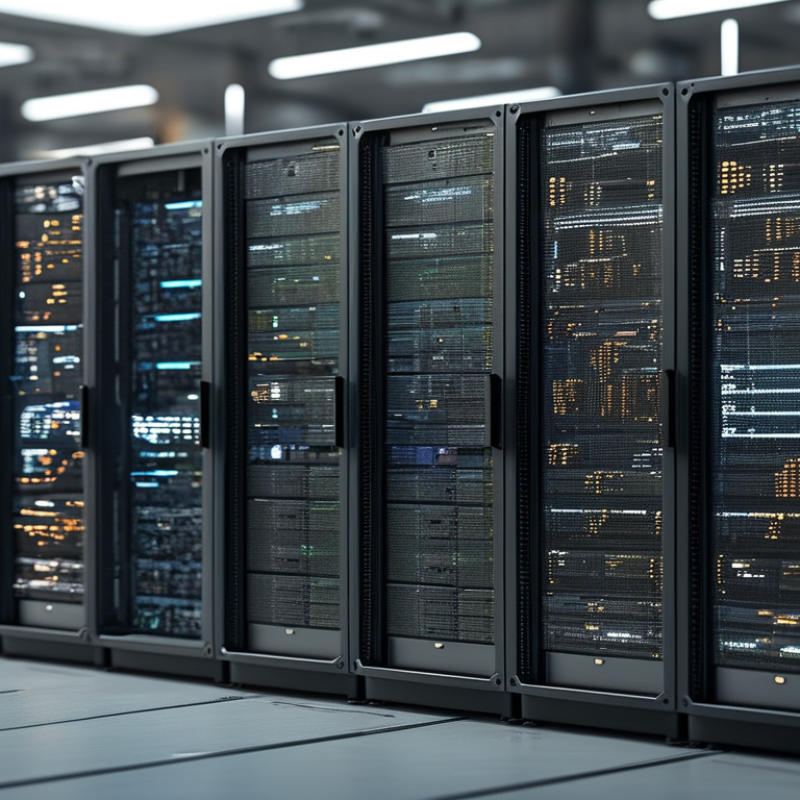
In 2026, AI server solutions are evolving rapidly. Businesses increasingly rely on these servers to enhance their operations. The demand for powerful computing capabilities drives this trend. Many organizations are focusing on scalability and efficiency. Companies need solutions that can grow with their needs. Therefore, flexibility is essential in choosing a provider.
Security also remains a critical factor. As AI applications expand, so do potential vulnerabilities. Enhanced data protection protocols are necessary. Organizations look for transparent practices. Trust in a provider comes from understanding their security measures. Additionally, performance monitoring tools are paramount. They help businesses track server efficiency and resource usage.
Cost-effectiveness is a key consideration. Companies must evaluate the total cost of ownership. Initial investments can be significant, but ongoing expenses matter too. Regular maintenance and potential upgrades may surprise organizations if not planned. The right provider should clearly outline all costs and benefits. Balancing quality with budget constraints can be challenging, necessitating thorough research.
When considering AI server solutions in 2026, key features play a crucial role in performance. One essential feature is processing power. Advanced GPU capabilities can significantly enhance computational tasks. According to a 2023 industry report, AI workloads can demand up to 80% more processing power year-on-year. This underscores the importance of selecting servers that can keep up with growing demands.
In 2026, the landscape of AI server solutions is evolving rapidly. Organizations must thoroughly consider their options to stay competitive. A comparative analysis reveals several critical factors that influence the choice of AI server providers.
Firstly, processing power remains paramount. A recent industry report indicates that AI workloads can demand up to 10 times more processing capabilities than traditional applications. This highlights the importance of investing in scalable solutions that can accommodate future growth. However, many businesses overlook the impact of energy efficiency. With operational costs rising, servers that optimize power consumption can significantly reduce long-term expenses.
Additionally, support and reliability are crucial. Independent studies show that organizations lose, on average, 100 hours of productivity annually due to server downtime. Consequently, evaluating a provider’s track record in customer support and system reliability is vital. Companies should seek providers that demonstrate a commitment to continuous improvement and innovation. Recognizing that no solution is perfect can drive better decision-making, ensuring a balance between performance and potential risks in a rapidly changing tech landscape.
As organizations invest in AI infrastructure, cost considerations play a crucial role. Predictions suggest that spending on AI server solutions will reach $60 billion by 2026. This figure highlights the growing demand for robust AI capabilities across various sectors.
When evaluating AI server costs, several factors come into play. Hardware specifications directly impact pricing. High-performance GPUs, essential for AI processing, account for a significant portion of expenses. Reports indicate that GPU costs could rise by up to 30% influenced by supply chain constraints and demand surges. The total cost of ownership should also include energy consumption, cooling systems, and maintenance fees.
Another key element is the potential return on investment (ROI). Organizations must weigh the initial setup costs against the benefits brought by AI integration. Investing in scalable solutions can seem daunting. However, these investments often lead to increased efficiency and long-term savings. Companies should not overlook the value of expert consultations. Hiring experienced professionals can mitigate risks and enhance decision-making. Balancing short-term expenses with long-term gains is vital for sustainable growth in AI server solutions.
The AI server market is evolving rapidly. Key trends are shaping its future direction. One significant trend is the shift towards edge computing. This approach brings data processing closer to the source. It reduces latency and boosts performance. Companies are now prioritizing real-time analytics. This need is driving demand for advanced server solutions.
Another trend to note is energy efficiency. As AI applications grow, so does their power consumption. Providers are integrating green technologies into their servers. This move not only helps the environment but also reduces operating costs. Efficient cooling systems and energy-saving components are becoming standard.
Security is also crucial in this evolving landscape. As AI grows, so does the risk of cyber threats. Therefore, robust security measures must be a priority. Companies need solutions that offer advanced protection against data breaches. The ongoing evolution in AI technology requires constant adaptation and innovation. It's essential for providers to stay ahead of the curve.
| Dimension | Data Point |
|---|---|
| Market Growth Rate | 15% CAGR from 2023 to 2026 |
| Key Technologies | ML, DL, Edge AI, Quantum Computing |
| Primary Industries | Healthcare, Finance, Manufacturing, Retail |
| Major Challenges | Data Privacy, Security, Integration Costs |
| Sustainability Trends | Energy-efficient AI, Green Data Centers |
| Geographical Focus | North America, Europe, Asia-Pacific |
I server solutions in 2026?
Flexibility ensures that solutions can grow with your organization's changing needs.
Look for providers with enhanced data protection protocols and transparent security practices.
These tools track server efficiency and resource usage, helping businesses optimize operations.
Organizations must consider total ownership costs, including maintenance and upgrades.
Servers that optimize power consumption can reduce long-term operational expenses significantly.
Organizations can lose hundreds of hours annually, emphasizing the need for reliable providers.
Weigh initial setup costs against the benefits of improved efficiency and long-term savings.
High-performance GPUs significantly impact expenses, particularly due to rising costs.
Balancing short-term expenses with potential long-term gains can be daunting but necessary.
As the demand for AI technologies continues to surge, selecting the right AI server solutions provider in 2026 is crucial for businesses aiming to leverage artificial intelligence efficiently. A thorough understanding of the evolving landscape of AI server solutions is essential, with key features including scalability, processing power, and energy efficiency becoming increasingly important.
In evaluating the top providers, a comparative analysis of their offerings reveals variations in support services, integration capabilities, and cost structures. With cost considerations weighing heavily on decision-making, organizations must balance their budget with the need for advanced AI capabilities. Moreover, staying informed about future trends will help businesses position themselves strategically in the AI server market, ensuring they choose the most appropriate AI server solutions provider for their long-term objectives.
