Borevo
Choosing the best ai server manufacturer is no longer a simple brand comparison. It is a decision about computing density, system reliability, cooling, software support, and long-term operating cost. A server may look powerful in a product brochure, yet perform poorly when racks face thermal limits or unstable power delivery.
Industry data shows why this decision matters. IDC’s Worldwide Artificial Intelligence and Generative AI Spending Guide forecasts global AI spending will reach more than $630 billion by 2028. The Stanford AI Index 2025 also reported $33.9 billion in private generative AI investment during 2024. Meanwhile, the International Energy Agency expects data-center electricity consumption to more than double by 2030. These figures make efficiency and service capability as important as raw GPU performance.
NVIDIA CEO Jensen Huang has repeatedly shaped this discussion. Speaking about accelerated computing economics, he said, “The more you buy, the more you save.” The statement is memorable, but incomplete. Volume discounts cannot repair weak integration, delayed replacement parts, or poor cluster management. The stronger manufacturer is the one that matches hardware to real workloads, including model training, inference, storage, and networking. Dell Technologies, HPE, Lenovo, Supermicro, NVIDIA, and other vendors each offer different advantages. No ranking is permanent. A buyer should test representative workloads, verify support response times, and examine power usage under sustained load. Even then, uncertainty remains. Marketing claims can be polished. Actual deployment results are harder to hide.
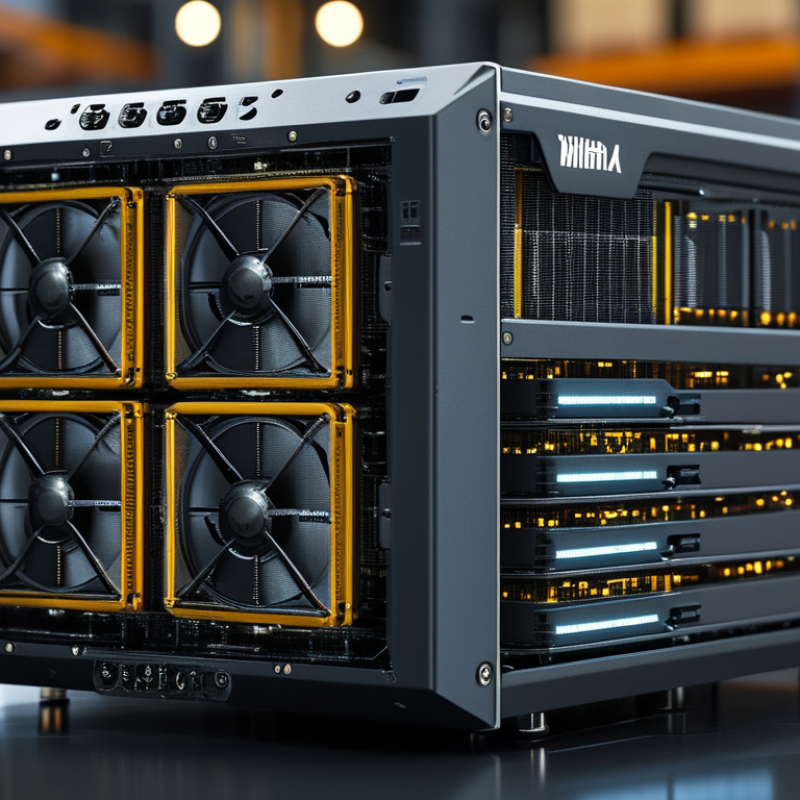
The best AI server manufacturer is not defined by processor counts alone. It must understand how hardware performs under sustained AI workloads. In real deployments, small details often decide reliability. A poorly balanced memory system can slow training, even with powerful accelerators. Fast networking also matters when several servers share one model.
Practical experience should guide evaluation. Engineers should test systems with actual workloads, not only factory benchmarks. A useful trial may include model training, inference, storage transfers, and overnight operation. Watch the temperature readings. Check fan noise, power stability, and recovery after a failed component. These details reveal more than polished specifications. They also expose weak assumptions.
Support quality is equally important. Clear documentation reduces installation mistakes. Responsive technical teams can shorten costly downtime. Manufacturers should explain performance limits honestly, including cooling requirements and software compatibility. Independent testing, transparent warranty terms, and documented quality controls strengthen trust. However, no evaluation is perfectly clean. I once focused too heavily on raw computing speed and underestimated maintenance access. That mistake made routine repairs slower than expected. A better manufacturer welcomes difficult questions and provides evidence, not vague promises. Availability of replacement parts matters. So does long-term firmware support. The strongest choice is therefore the manufacturer that combines dependable engineering, practical service, and measurable accountability.
Comparing AI Server Hardware, Accelerators, and System Design
The best AI server manufacturer is not defined by processor count alone. A practical evaluation examines accelerators, memory bandwidth, storage paths, networking, cooling, and service quality. During testing, measure training time, inference latency, power draw, and performance under sustained workloads. Short benchmarks can look impressive. Heat matters.
Accelerator choice should match the model and deployment target. GPU-based systems often support broad software ecosystems, while specialized processors may deliver better efficiency for selected workloads. Large models also require sufficient high-bandwidth memory and fast links between devices. Otherwise, expensive accelerators may wait for data. That delay is easy to miss in a showroom demonstration.
System design decides whether hardware remains reliable after months of use. Check airflow paths, rack density, redundant power, firmware controls, and remote diagnostics. Ask how quickly replacement parts arrive and whether technicians understand production environments.
A spreadsheet can mislead. One test is not enough. I would also repeat benchmarks with real data sizes, mixed workloads, and reduced cooling capacity. The results may challenge the original ranking. Cost should include electricity, maintenance, software support, and downtime, not only the purchase price. Manufacturer credibility becomes visible through documented specifications, transparent testing methods, and consistent technical support.
Choosing the best AI server manufacturer requires more than comparing accelerator counts. Performance should include memory bandwidth, interconnect speed, and sustained output under thermal limits. MLPerf results are useful, but buyers should reproduce tests with their own models. A server that wins a short benchmark may slow during a twelve-hour training run. That detail is easy to miss.
Scalability depends on expansion paths, rack density, and software compatibility. I would examine whether nodes can scale without uneven communication delays. Firmware updates, container support, and clear diagnostic tools also matter. Uptime Institute’s 2024 Global Data Center Survey identifies power problems as a leading cause of serious outages. Therefore, redundant power supplies, error-correcting memory, remote monitoring, and replaceable components deserve equal attention. Reliability is not merely a warranty promise.
Energy efficiency now changes the purchasing decision. The International Energy Agency’s Electricity 2024 report estimates data centers used about 460 terawatt-hours globally in 2022. It projects demand could exceed 1,000 terawatt-hours by 2026. Measure performance per watt, not performance alone. The Green500 methodology offers a practical reference through LINPACK performance per watt. However, AI workloads can behave differently. My own evaluation would include cooling power, idle consumption, and real inference traffic. A perfect score is unrealistic. Procurement teams should publish test conditions, because hidden assumptions can make efficient hardware look better than it is.
This reference chart compares the four core dimensions used to evaluate AI server manufacturers. Scores are normalized to a 100-point scale from measurable engineering factors: accelerator throughput, expansion capacity, system availability, and performance per watt. A higher score indicates stronger overall capability, while the final decision should also consider workload fit, service coverage, and total cost of ownership.
Choosing the best AI server manufacturer depends on workload, budget, and deployment conditions. No single supplier leads every category.
Large global manufacturers bring mature supply chains, strict validation, and broad technical support. Their systems often handle demanding model training with stable performance. They also provide stronger integration across storage, networking, and management software. However, premium support contracts can increase long-term ownership costs.
Specialist manufacturers often respond faster to custom accelerator layouts and advanced cooling requirements. Their engineers may adjust rack density, power distribution, or chassis design for specific projects. This flexibility is valuable for research laboratories and private data centers. Regional manufacturers can compete through pricing, local service, and shorter delivery routes. Their market strength often comes from understanding nearby regulations and facility limitations. Service quality can vary, though.
Hands-on evaluation should include thermal tests, firmware updates, repair procedures, and real workload benchmarks. Peak performance alone can be misleading. A server may achieve impressive results in a laboratory, then throttle inside a crowded rack. Noise, power spikes, and component availability also deserve careful review. No scorecard is perfect. I would not treat benchmark results as permanent truth. Software changes quickly, and hardware reliability appears only after months of operation. Buyers should request clear warranty terms, spare-part timelines, and documented energy measurements before signing a purchase agreement.
The best AI server manufacturer depends on the workload, not a leaderboard. A research team training large language models needs dense accelerator capacity, fast interconnects, and liquid-cooling options. A media company running image generation may prioritize flexible GPU configurations and predictable expansion costs. In practice, I would map model size, batch volume, response targets, and data location before comparing suppliers. That checklist prevents an expensive mismatch.
For real-time inference, low latency often matters more than maximum training speed. A retailer serving thousands of requests per minute may need compact servers, redundant power, and simple remote management. A factory using vision models might value rugged systems, extended temperature support, and local processing. These needs differ sharply from a university lab, where upgradeable components and strong technical documentation may matter more than polished automation. Small details matter.
Business size also changes the decision. A growing company may prefer staged purchasing, transparent warranties, and responsive engineers during deployment. A large enterprise may demand validated software stacks, security controls, service-level agreements, and global parts availability. I would test thermal behavior under sustained load, not just trust a specification sheet. One overlooked issue is noise. A server that performs well in a showroom may be unsuitable beside a small operations team. Benchmark results can change with drivers, workload design, and cooling conditions. That trade-off is easy to miss during procurement.
Look beyond processor counts. Check accelerators, memory bandwidth, storage paths, networking, cooling, and technical support. Heat matters. Service quality becomes clearer during failures and replacement delays.
Match the accelerator with the model and deployment target. General-purpose accelerators often offer broader software support. Specialized processors may use less energy for selected workloads. The fastest option may not suit every model.
Large models need enough memory and fast device connections. Without them, expensive accelerators may wait for data. That delay can remain invisible during a short showroom demonstration. Real workloads reveal it.
Measure training time, inference latency, power draw, and sustained output. Repeat tests with real data sizes and mixed workloads. Include a twelve-hour training run. Short benchmarks can mislead.
Use the intended models, batch sizes, and traffic patterns. Test reduced cooling capacity when practical. Record temperature, throttling, idle power, and cooling energy. My ranking might change after this.
Examine airflow paths, rack density, redundant power, error-correcting memory, and remote monitoring. Replaceable components can reduce downtime. Firmware controls and diagnostic tools also matter. Reliability is not merely a warranty promise.
Check expansion paths, node communication, rack space, and software compatibility. Additional nodes should not create uneven communication delays. Container support helps deployment. Scaling plans can fail quietly.
Compare performance per watt, not performance alone. Measure cooling power, idle consumption, and real inference traffic. Include electricity and maintenance costs. A perfect score is unrealistic.
Count the purchase price, electricity, maintenance, software support, replacement parts, and downtime. Ask how quickly parts can arrive. A cheaper server may cost more after months of operation. The spreadsheet may still miss something.
Choosing the best ai server manufacturer requires more than comparing processing speed or hardware specifications. The strongest manufacturers combine powerful CPUs, GPUs, accelerators, high-speed networking, efficient cooling, and intelligent system design to support demanding artificial intelligence workloads. Their solutions should deliver consistent performance, flexible scalability, strong reliability, and reasonable energy efficiency, allowing organizations to expand infrastructure without excessive operational costs.
This overview explains how to evaluate AI server manufacturers based on hardware quality, accelerator compatibility, system architecture, service capability, and long-term value. It also considers how different manufacturers may suit different needs, including model training, real-time inference, scientific research, enterprise analytics, and private AI deployments. By matching technical strengths with workload requirements, budget, deployment scale, and energy goals, businesses can make a practical and informed decision rather than selecting a provider based only on headline performance.