Borevo
Borevo
Borevo
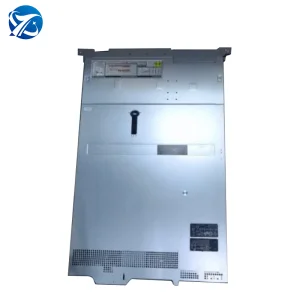
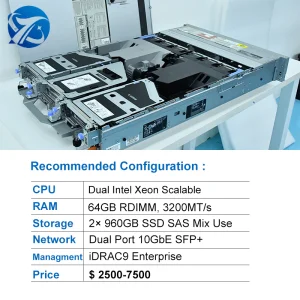
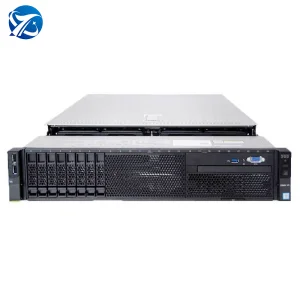
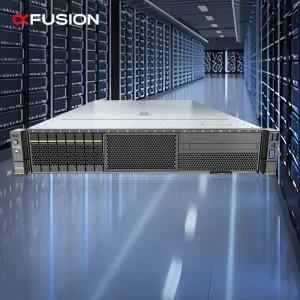
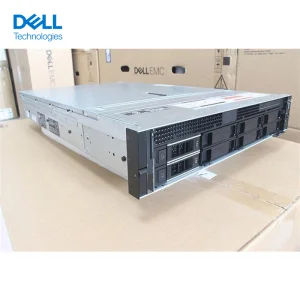
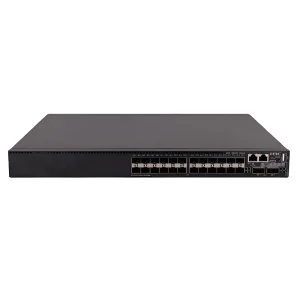
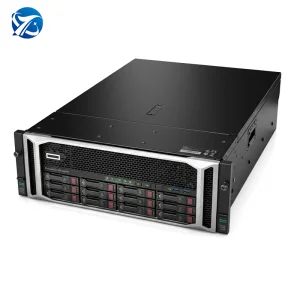
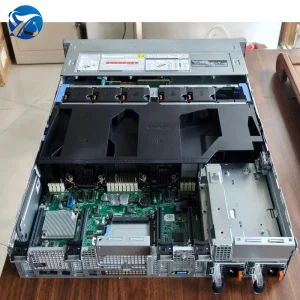
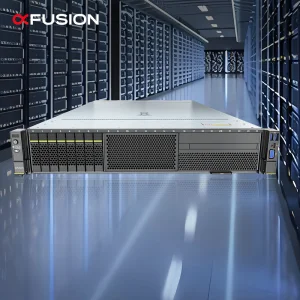
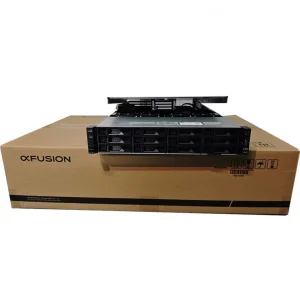
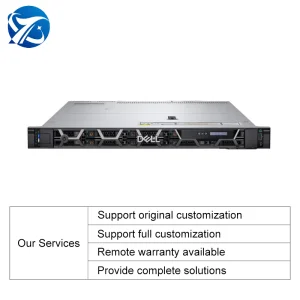
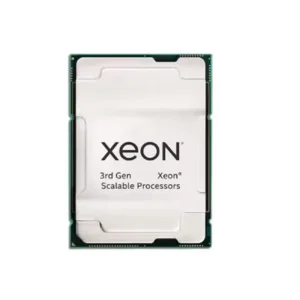
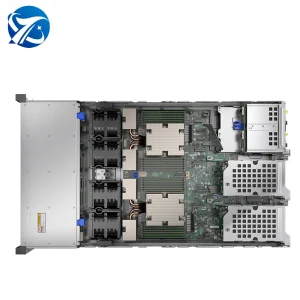
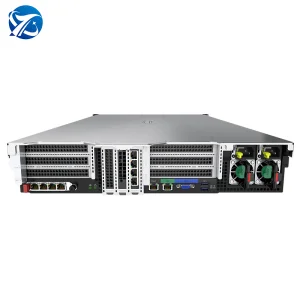
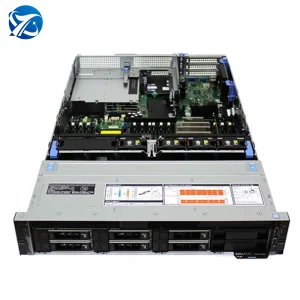
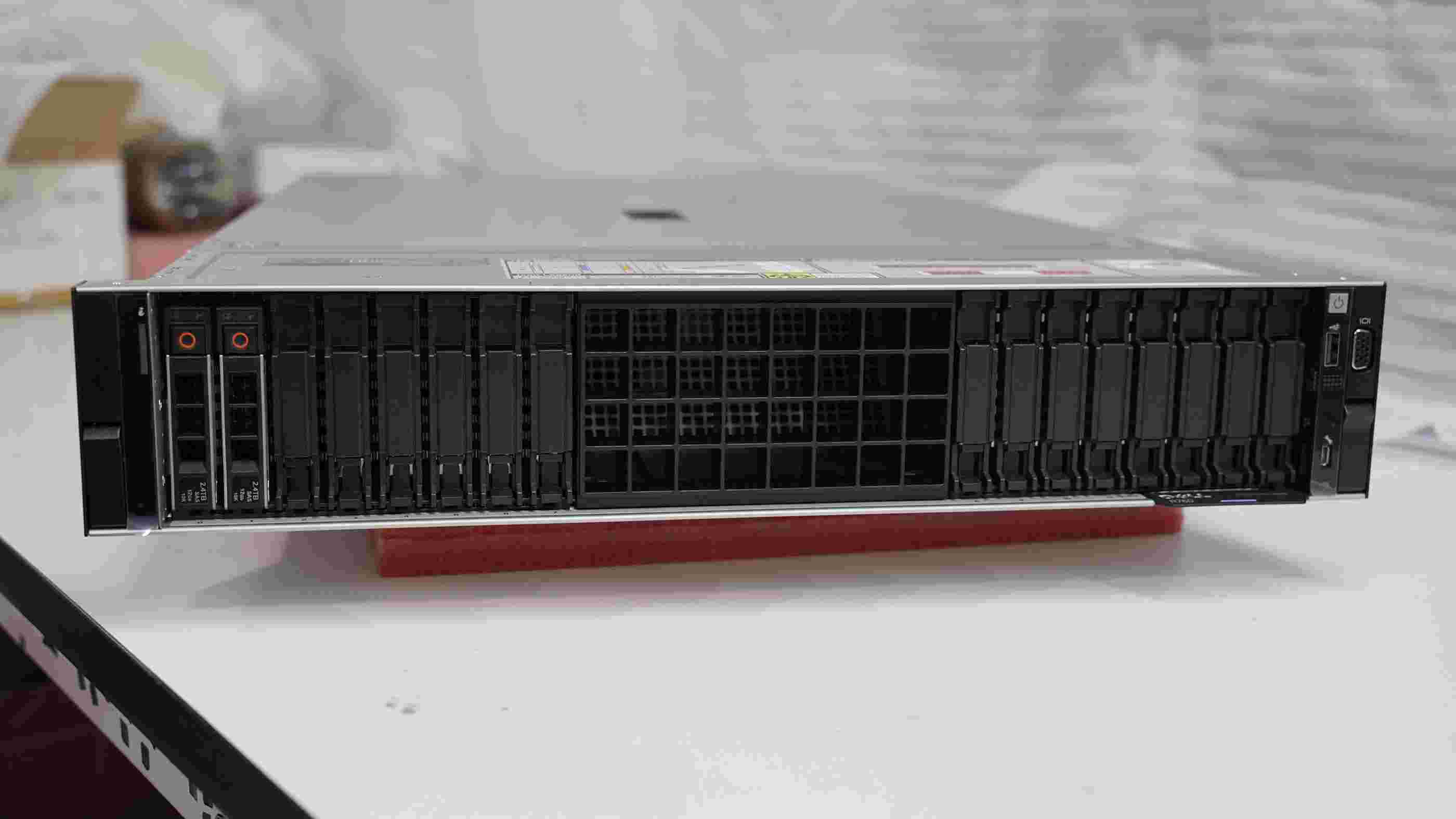
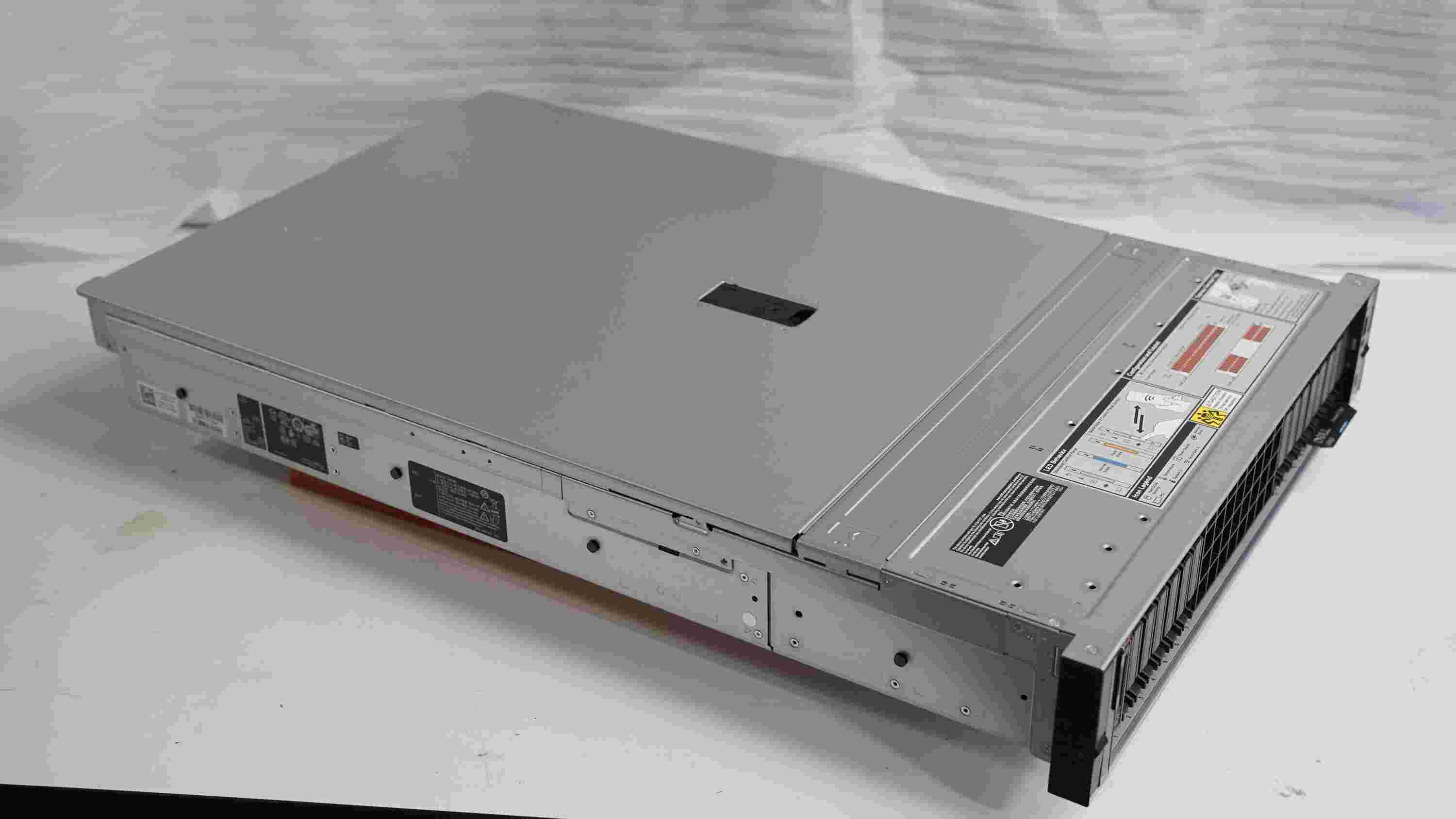
Explore our industrial-grade processing systems and optimized thermal solutions integrated for immediate deployment.
A comprehensive overview of heat mitigation inside the modern Artificial Intelligence & Hyperscale cloud environments.
With the rise of large language models (LLMs) and distributed neural network workloads, hardware like the Xeon and EPYC families, along with massive AI GPU arrays, operate at vastly higher TDPs. Traditional cooling architectures are reaching structural thermodynamic limits, pushing the industry towards liquid-to-air, liquid-to-liquid, and direct-to-chip microchannel architectures.
Effective thermal design is no longer just about blowing cold air over heatsinks. Optimizing high-density server configurations requires precise coordination of PCB component heights, tailored Thermal Interface Materials (TIMs), advanced vapor chamber configurations, and strategic airflow pathways designed around specific rack chassis parameters.
Data center operators are forced to comply with strict global Power Usage Effectiveness (PUE) parameters. Advanced thermal management solutions designed and constructed by specialized factories reduce auxiliary power consumption (like system fans and central chillers), directly helping facilities meet statutory green-computing requirements.
A deep look into our operational metrics, supply chain integrations, and manufacturing footprints in China.
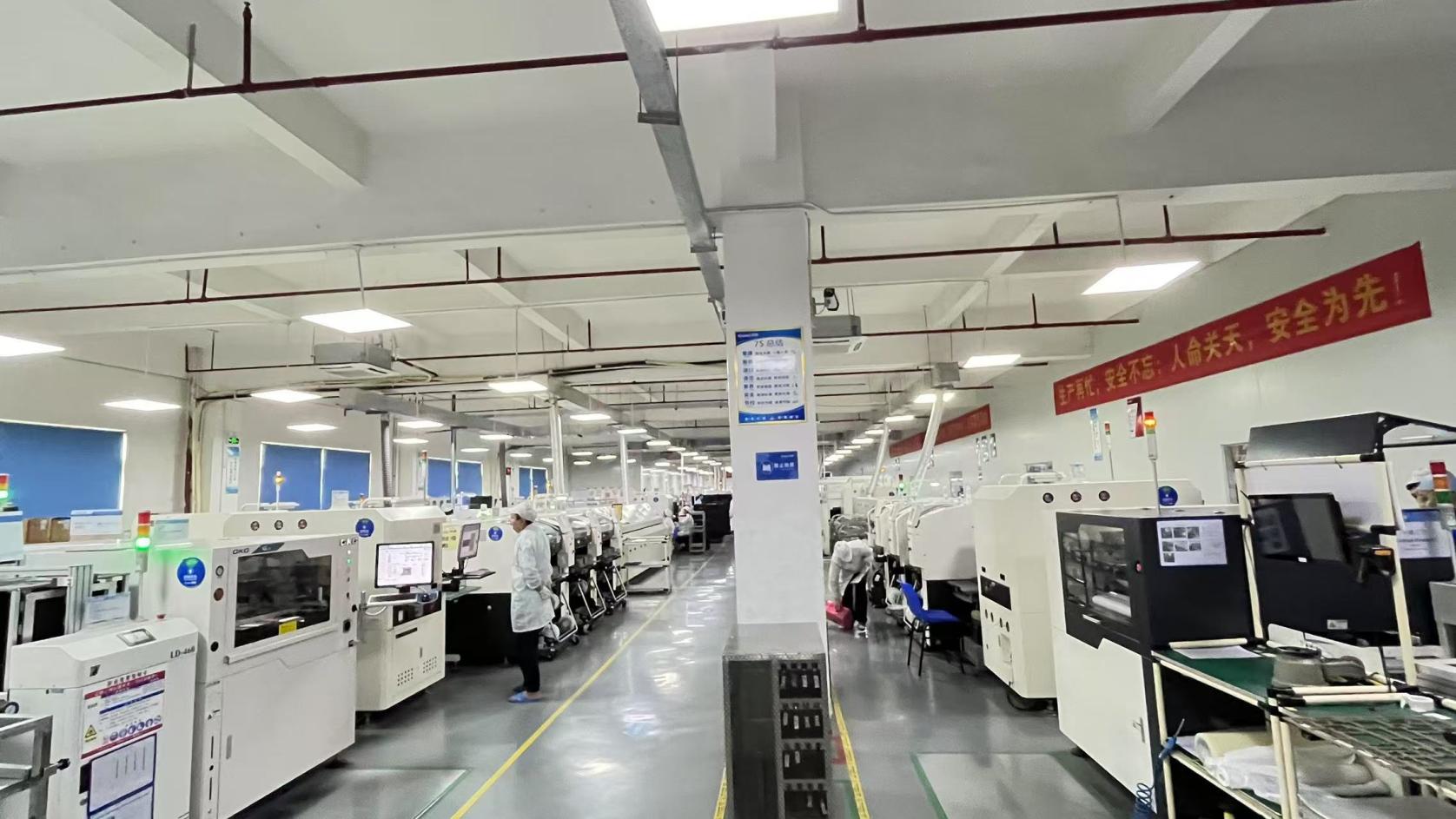
As a leading hardware integration and custom system manufacturer, Borevo AI Infrastructure (China) Co., Ltd. plays a vital role in providing optimized enterprise systems and cooling designs for demanding compute workloads globally. Operating from an expansive manufacturing base in Shenzhen, the company ensures that high-power components are fitted with precision heat sinks and cooling structures engineered to perform under extreme computational pressure.
| Strategic Indicator | Operational Metric | Industrial Advantage |
|---|---|---|
| Establishment & Industry Experience | Registered 2018; 12 Years Total Industry History | Over a decade of structural engineering expertise in enterprise and AI compute hardware. |
| Production Infrastructure | 18,600 ㎡ Facility Area | Scalable modern production lines capable of high-volume hardware assembly and testing. |
| Quality Control Staffing | 45 Dedicated QC Personnel | Rigorous multi-stage validation including incoming components, in-line testing, and final burn-in validation. |
| R&D Team Capacity | 180 Specialized Engineers | Focusing on thermal physics, structural layout, signal integrity, and custom cooling modifications. |
| Supply Chain Network | ~850 Strategic Partners | Close partnerships with component providers of raw copper, high-performance heat pipes, vapor chambers, and advanced PCB fabricators. |
| Global Reach | USD 18 Million Annual Export Revenue | Proven global compliance pathways for North American, European, and Southeast Asian enterprise markets. |
Evaluating standard and custom cooling dynamics engineered to prevent processor throttling and maximize system lifespan.
For standard 1U and 2U server structures containing Xeon or EPYC processors, optimized heat pipe modules are critical. We design custom multi-pipe assemblies using high-purity oxygen-free copper, combined with low thermal resistance TIMs. These draw heat away from the CPU die into massive fin stacks positioned perfectly along the chassis' air pathways.
For rack deployments exceeding 30kW per rack, air cooling becomes physically impossible. Direct-to-Chip cooling utilizes cold plates made of micro-grooved copper bolted directly to the processor's IHS. Water or dielectric fluid circulates through the plates, absorbing thermal energy and delivering it to a heat-exchanger manifold situated at the rack rear.
In highly constricted environments like 1U computing nodes or dense GPU blade configurations, planar vapor chambers replace solid copper pedestals. These seal a small amount of liquid in a vacuum space, which vaporizes at hot spots, migrates to cooler zones to condense, and returns via capillary action. This allows extremely flat structures to spread large heat loads rapidly.
Modern compute infrastructure demands optimization from the silicon level to the physical layout of the building. The integration of proper cooling system configurations directly impacts failure rates, mean time between failures (MTBF), and operational power costs.
How specialized thermal systems are deployed across diverse global computational environments.
For massive public cloud zones, optimization requires standardized rack-level cooling systems, rear-door heat exchangers, and close-coupled cooling loops. Utilizing efficient cooling configurations ensures that the facility can run at elevated ambient inlet temperatures without sacrificing compute reliability, cutting total energy bills dramatically.
Deep learning clusters processing models like DeepSeek or LLAMA systems require custom multi-GPU system enclosures. The massive local power dissipation requires hybrid thermal cooling configurations—often matching custom forced-air ducts with dedicated internal liquid channels to ensure GPU stability during long training phases.
Deployments in industrial, telecommunications, or outdoor environments operate in hostile ambient spaces. Here, passive thermal management, completely enclosed chassis structures, and high-efficiency heat pipes are mandatory. Borevo designs robust thermal shields and conduction-based cooling frameworks to prevent dirt and dust intrusion.
Procuring custom thermal components from China requires strict adherence to international safety, compliance, and material standards. Global IT sourcing professionals look for partners who can demonstrate:
Deep inside Borevo AI Infrastructure's validation procedures, ensuring zero-defect deployments for global clients.
Quality assurance is not a secondary phase; it is fully integrated into every step of our manufacturing pipeline. Our dedicated crew of 45 QC inspectors runs structural verification using advanced machinery and real-world load simulation profiles to guarantee that every system assembly meets strict operation parameters before shipping.
Automated Optical Inspection scans PCB patterns, component placement, and heatsink alignments. X-Ray imaging analyzes voiding in the solder layers under vapor chambers, guaranteeing uniform thermal transition paths.
Fully assembled server boards and processing units undergo continuous run-cycles at high ambient temperatures inside control ovens to verify that thermal limits are never breached under prolonged system loads.
By rapid cycles of heating and cooling, we inspect the mechanical joints, solder connections, and TIM stability, confirming that thermal-expansion changes over time will not cause device failure.
For liquid-block configurations, components undergo rigorous fluid pressure tests to locate micro-fissures or seal failure points, assuring total leak-free safety in expensive active mainframes.
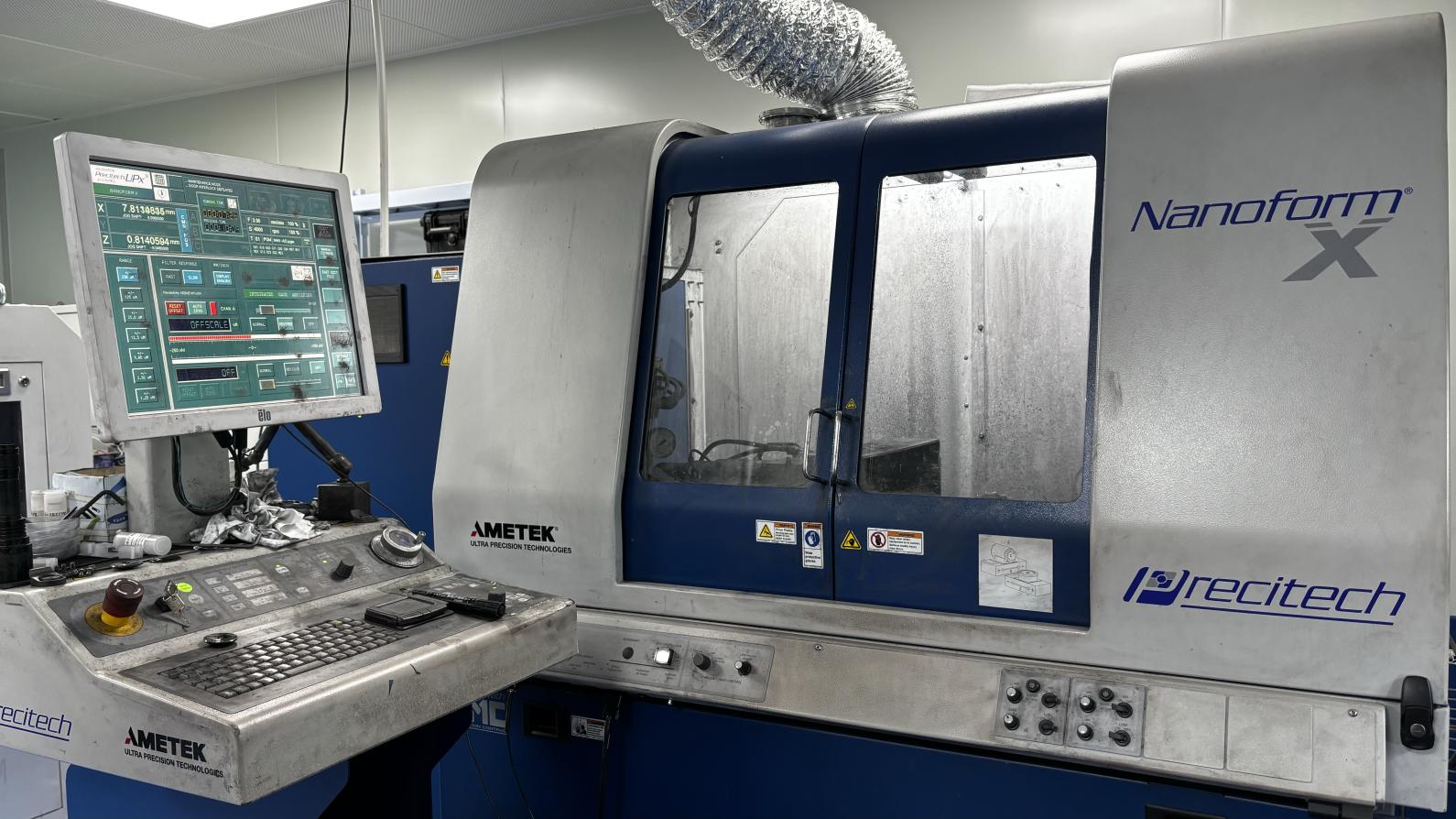
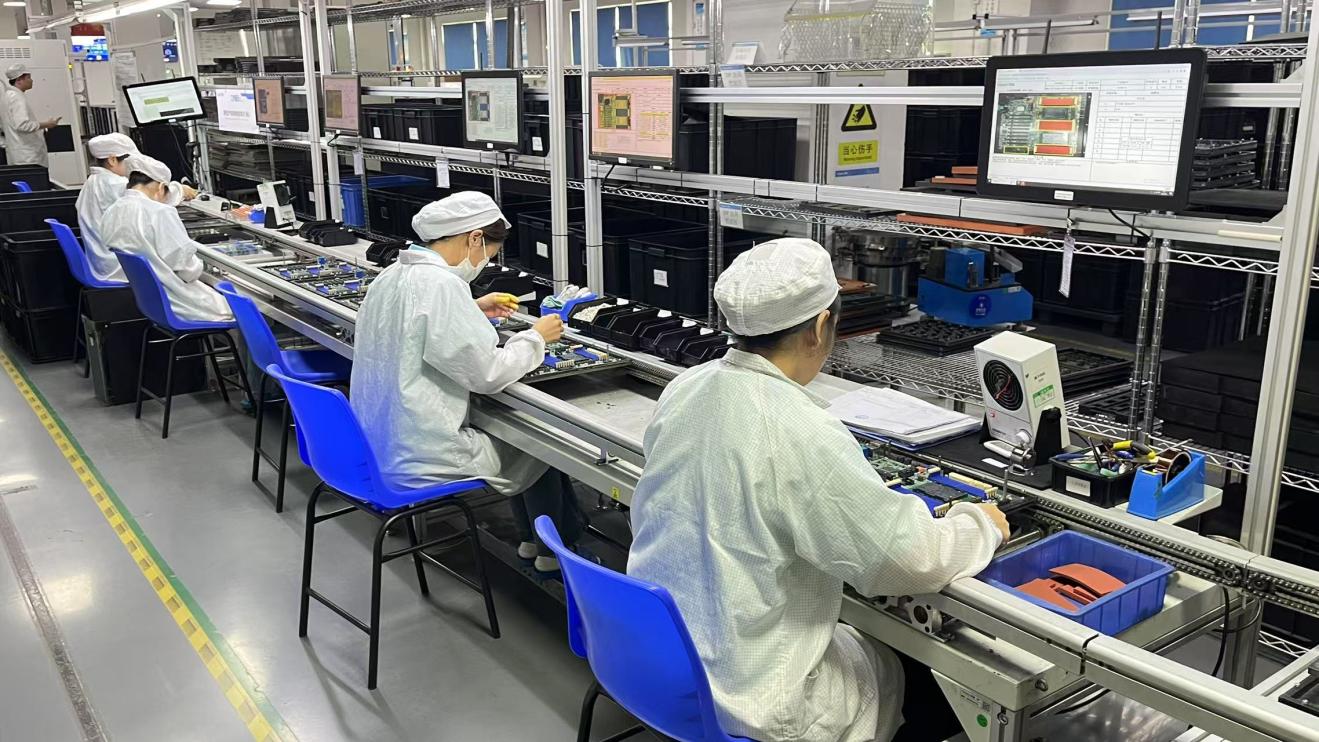
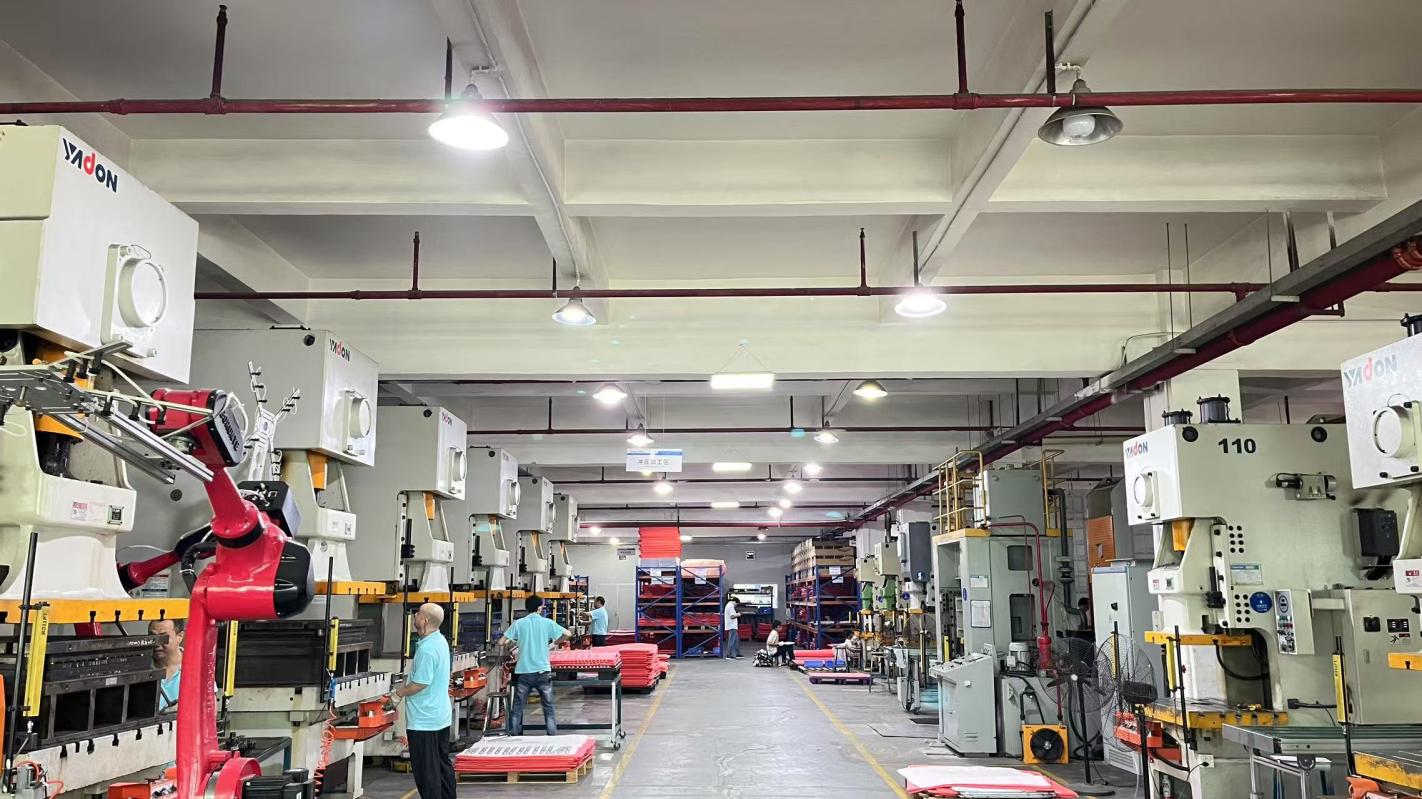
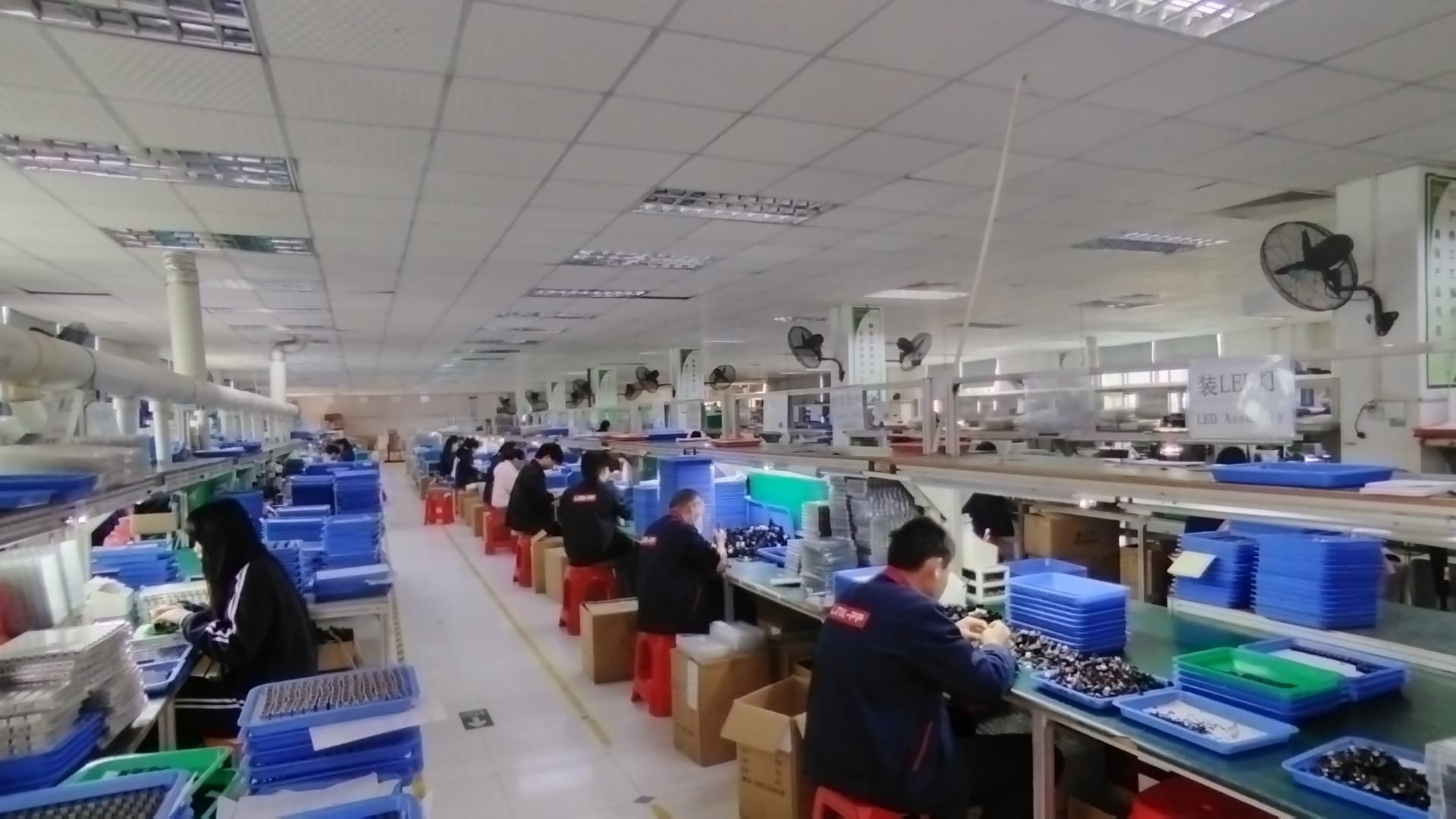
Visualizing our cleanroom facilities, hardware integration centers, and automated manufacturing floors in Shenzhen, China.
Expert answers addressing the design, application, and international shipping of high-performance thermal hardware.
Explore our high-performance GPU systems, compute nodes, and active server cooling configurations in stock.