Borevo
Borevo
Borevo
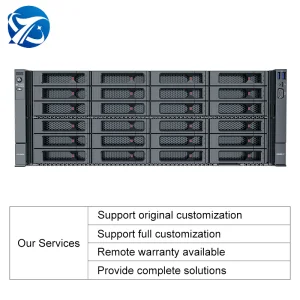
Premium compute, storage, and processing nodes designed to integrate seamlessly with custom network management platforms.
In the era of hyper-scale AI acceleration, dense data processing, and complex multi-tenant cloud architectures, modern network management tools have transitioned from passive telemetry monitors to active, hardware-integrated orchestration systems. Standard software-level monitors are no longer sufficient to manage high-throughput, low-latency topologies such as those required by DeepSeek workloads, GPU clustering, and PCIe Gen 5/Gen 6 data planes.
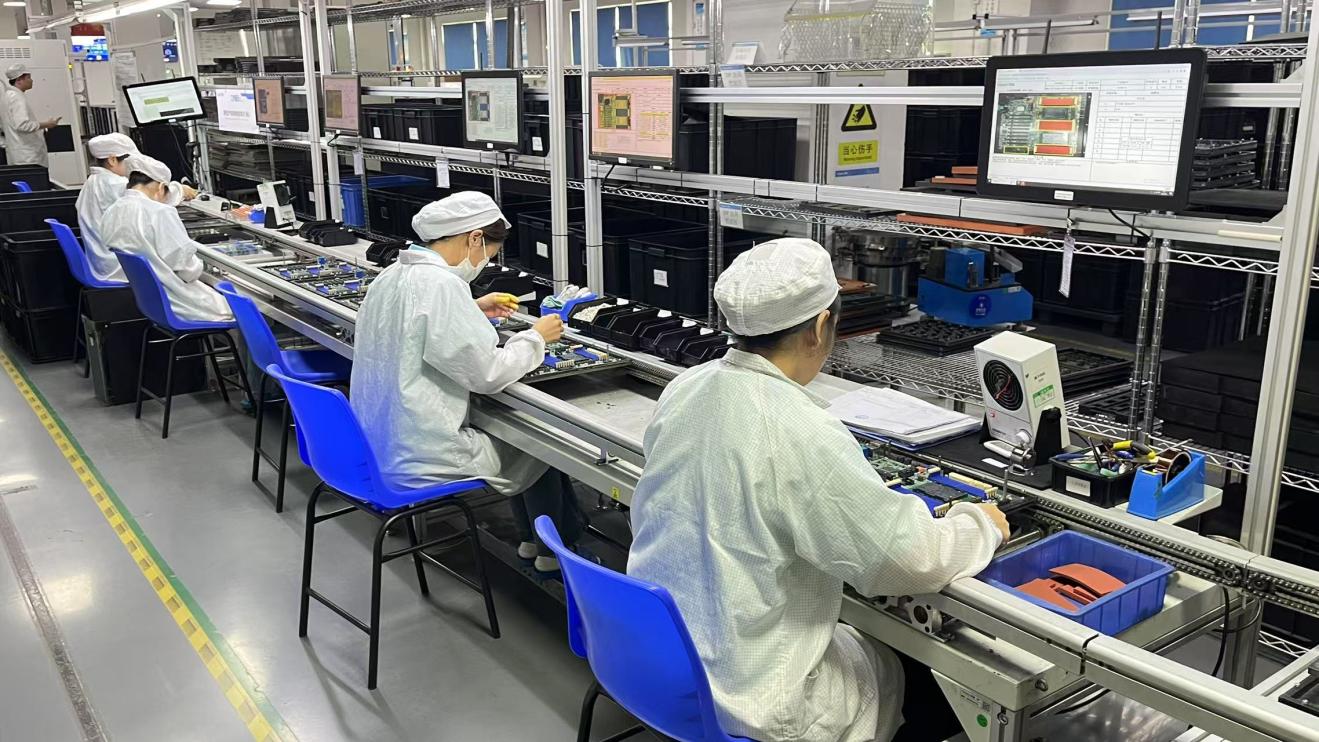
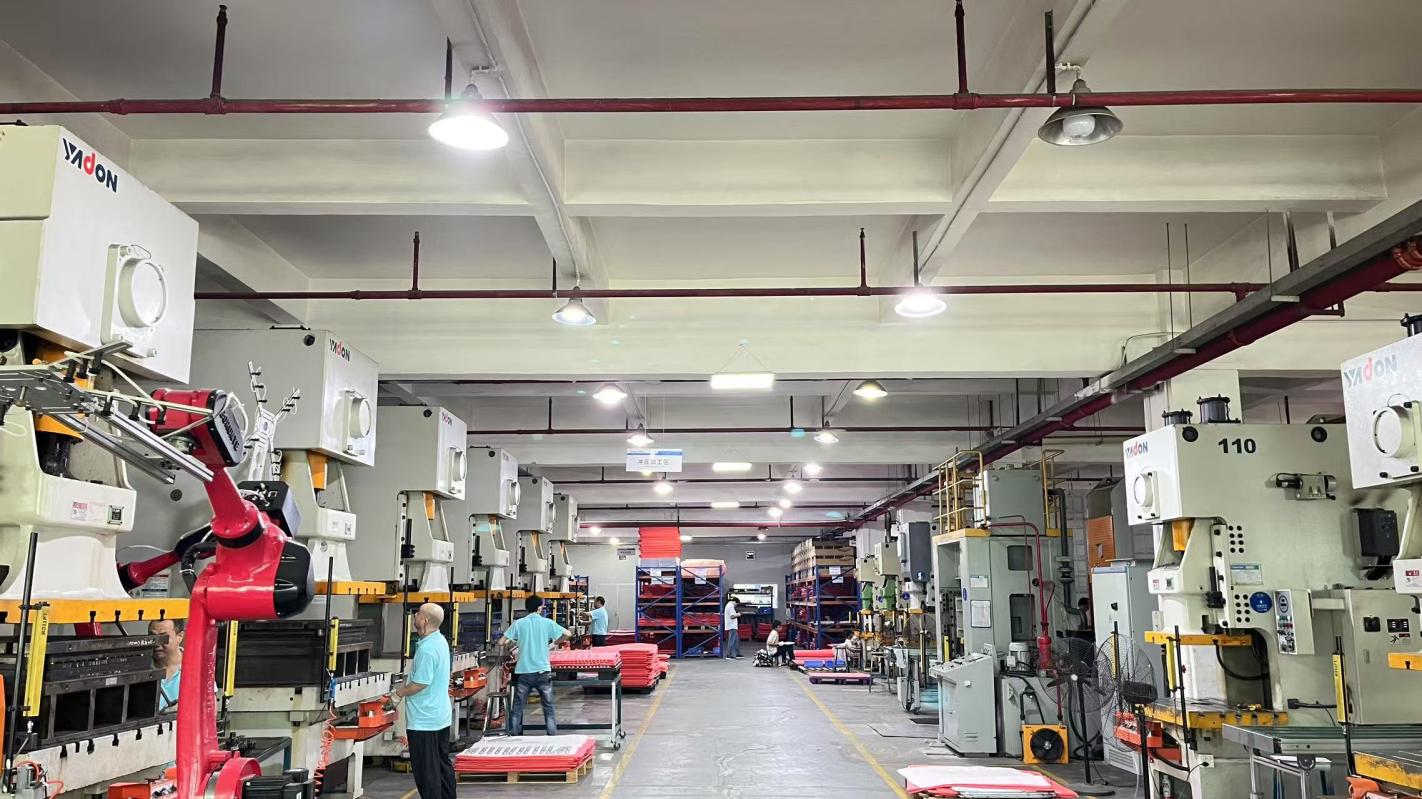
Borevo AI Infrastructure (China) Co., Ltd. addresses this shifting paradigm by delivering customizable OEM/ODM Network Management Tools and dedicated hardware appliances. Leveraging our 12 years of industry experience and a highly optimized 18,600 ㎡ manufacturing facility, we engineer physical out-of-band (OOB) management interfaces, customized baseboard management controllers (BMC), and integrated firmware solutions. These utilities empower enterprise operators to inspect, monitor, configure, and secure infrastructure components at the bare-metal level, ensuring zero-trust boundary management and maximum uptime.
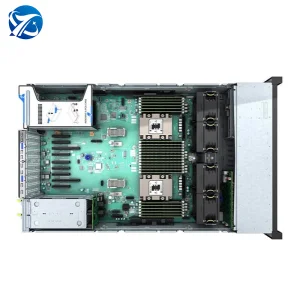
Borevo's ODM hardware management tools are designed around the integration of advanced ASICs and Baseboard Management Controllers (like ASPEED AST2600) directly into customized server nodes. Our solutions run tailored OpenBMC configurations that feature:
Our R&D engineering team—composed of 180 structural, electrical, and firmware experts—constantly tests and refines local monitoring tools on our high-performance hardware, ensuring that telemetry signals represent actual physical stress margins with sub-millisecond precision.
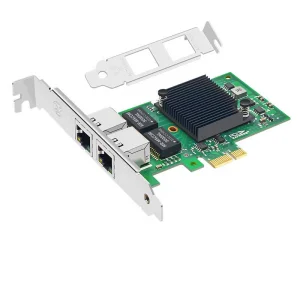
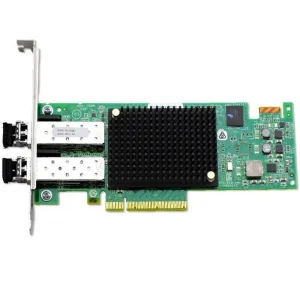
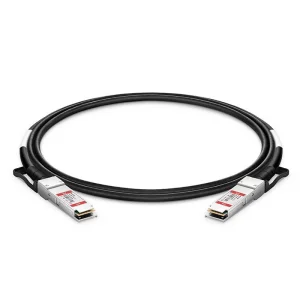
Borevo provides bespoke board-level engineering, allowing clients to configure specialized PCIe host bus adapters (such as Emulex 32Gb/s HBA structures), customized RAID controller caches (e.g., LSI 9560-16i modifications), and direct-attach cabling tolerances to build proprietary, high-speed monitoring clusters.
Datacenter management requirements diverge dramatically depending on geographic locations, regulatory limitations, and physical deployments. Borevo optimizes hardware monitoring topologies to match these localized constraints:
Deploying specialized out-of-band monitoring servers in ruggedized, dust-proof enclosures. Perfect for remote industrial substation health monitoring under high electromagnetic interference.
Precision monitoring boards synchronized with PTP (Precision Time Protocol IEEE 1588). Essential for high-frequency trading platforms tracking microsecond network jitters.
Telemetry nodes designed to pool multi-chassis metrics, feeding real-time network traffic maps to orchestration models like Kubernetes cluster managers.
The trajectory of network management tools is shifting toward autonomous self-healing networks. Our engineering division is actively pursuing hardware designs that execute real-time local packet diagnostics and security threat identification at the line-rate level. By deploying specialized deep-learning agents within smart network interface cards (SmartNICs / DPUs), operators can isolate infected or failing ports before host systems experience traffic loss.
Furthermore, as datacenter backplanes upgrade to PCIe Gen 6 and high-speed InfiniBand links, tracking mechanical signal degradation and optical cable attenuation in real time is imperative. Borevo is mapping out future iterations of monitoring systems equipped with optical telemetry tools. These advancements will allow clients to observe physical cable health directly from their central management panels, preventing unplanned fiber outages and maintaining constant service availability.
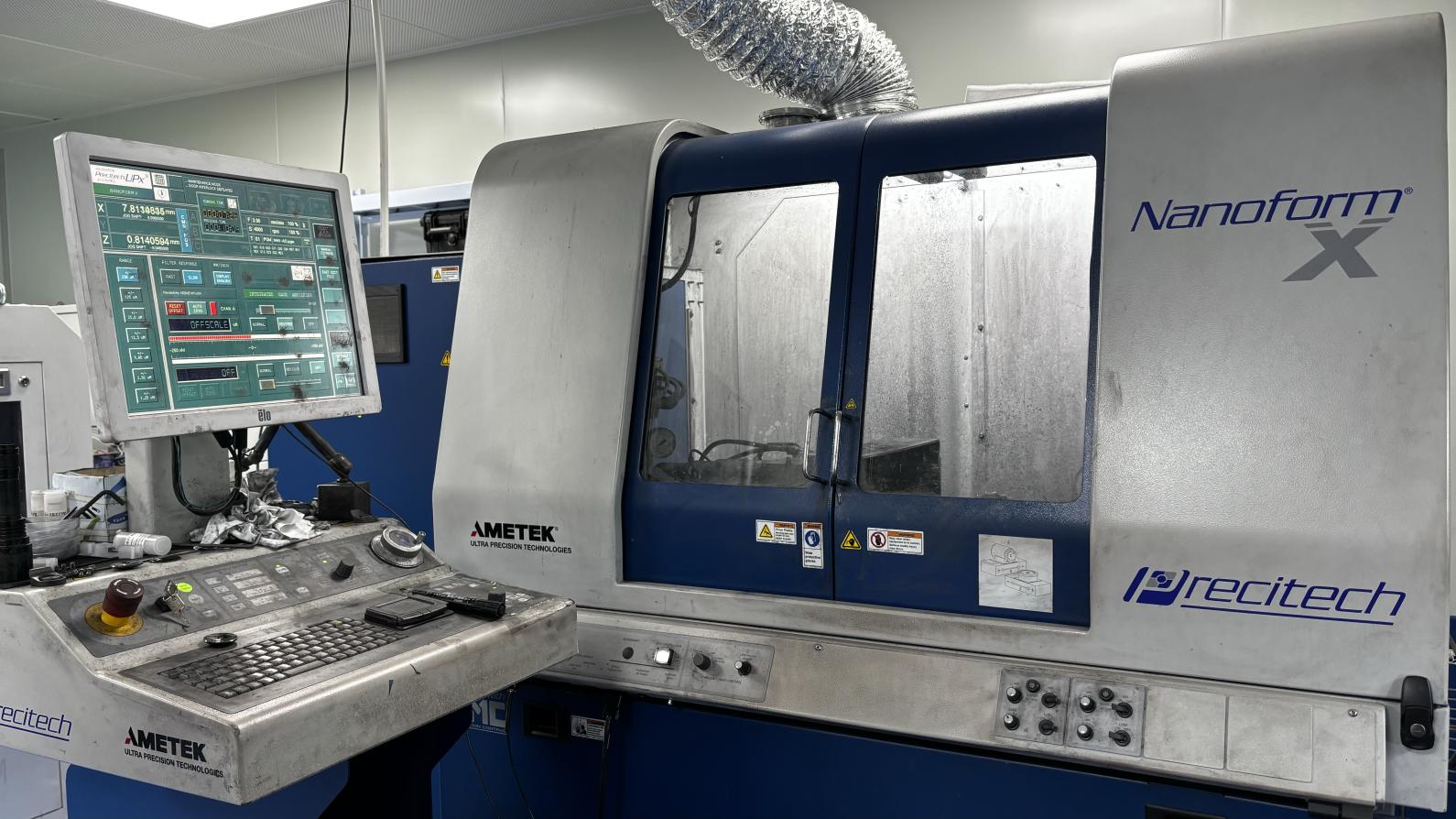
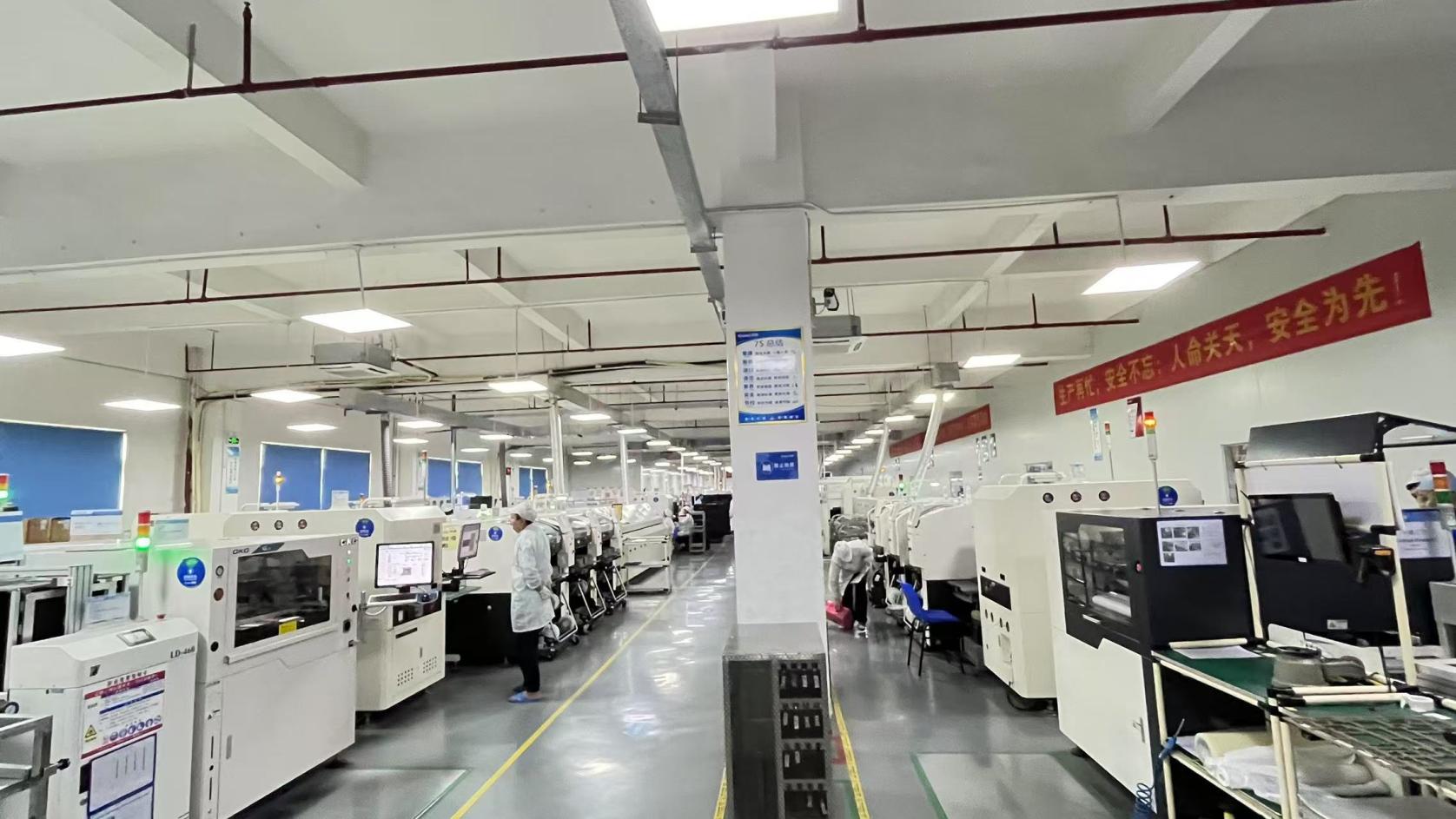
Manufacturing advanced network instrumentation requires more than raw technology; it demands a resilient, flexible, and responsive industrial ecosystem. Situated in China's primary tech manufacturing hub, Borevo operates at the core of the global electronics supply network. We maintain partnerships with approximately 850 strategic component providers, spanning silicon suppliers, high-density multi-layer PCB fabricators, custom aluminum CNC tooling houses, and cooling component manufacturers.
This deep integration guarantees immediate access to critical raw materials and components, reducing manufacturing lead times for customized hardware systems by up to 40% compared to Western manufacturing alternatives. Redundant source channels ensure that sudden material shortages do not disrupt client deliveries, establishing Borevo as a highly reliable partner for global enterprises requiring consistent batch production of critical hardware management nodes.
To ensure our products withstand the demanding 24/7 operations of enterprise datacenters, Borevo enforces a rigorous multi-stage quality assurance architecture managed by 45 dedicated QC technicians. Every server chassis, network management card, and cable assembly undergoes critical testing:

Detailed architectural answers regarding our customization, validation, and design pipelines.
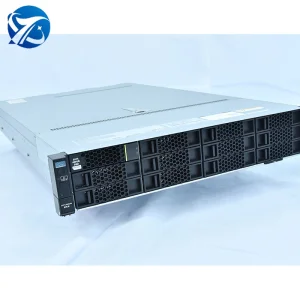
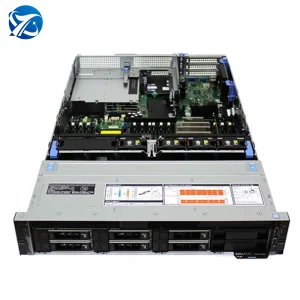
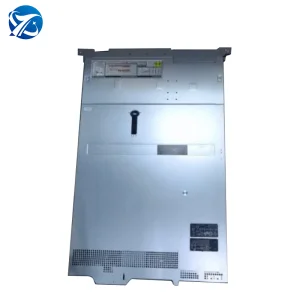
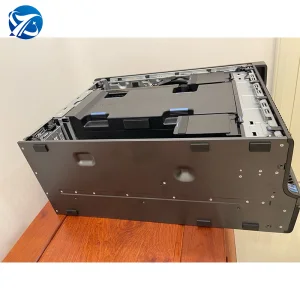
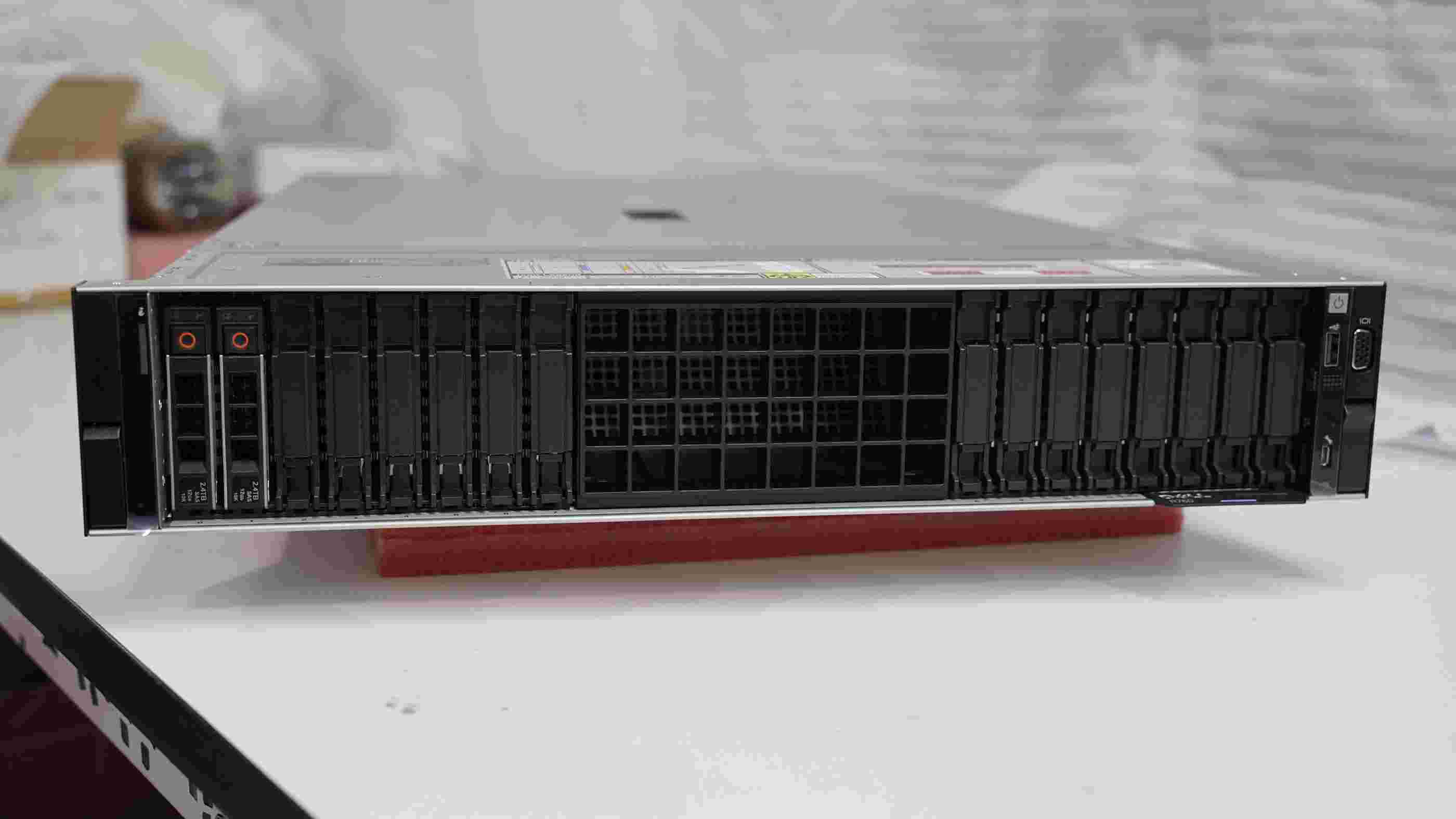
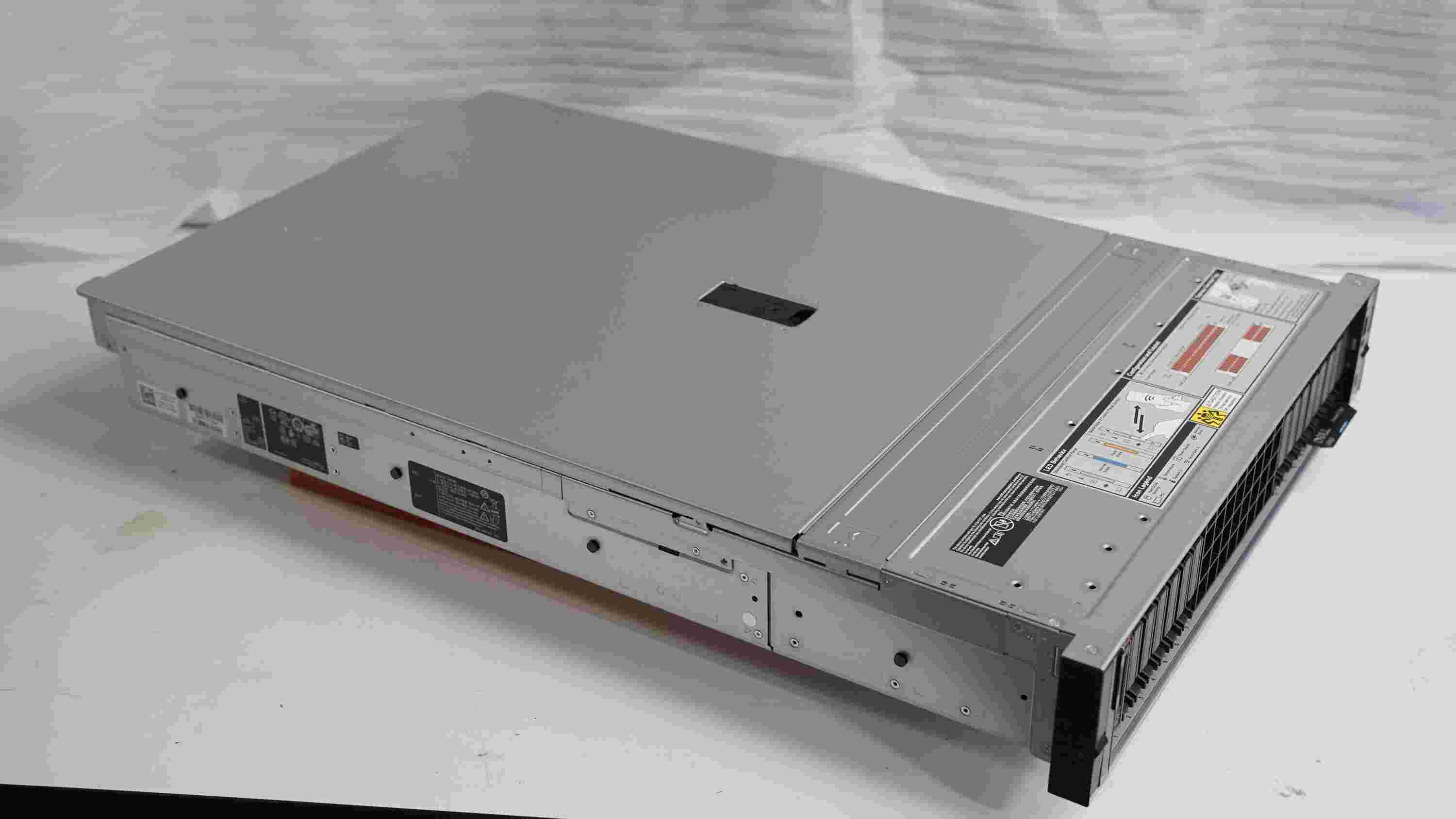
We deliver complete structural design services. This includes modifying PCB layouts to host custom ASICs, developing proprietary internal cable runs, designing custom sheet-metal rack enclosures (1U, 2U, 4U form factors), engineering thermal management profiles (including liquid cooling cold plates), and tailoring BMC bootloaders with unique cryptographic signatures.
High-performance AI workloads rely on high-bandwidth, low-latency inter-GPU fabrics. Our network management appliances provide specialized, non-intrusive monitoring lines that track link state, temperature profiles, and packet loss across NVLink or InfiniBand connections. By surfacing these telemetry points through an out-of-band architecture, operators can monitor clusters without consuming vital GPU compute cycles.
Yes, our OpenBMC firmware includes custom-built Redfish APIs, REST endpoints, and SNMP agents. This ensures complete out-of-the-box compatibility with enterprise network monitoring tools like Zabbix, Datadog, Prometheus, or Cisco Prime, enabling easy integration with your current operational workflow.
We mitigate hardware-level security risks through strict compliance protocols. Our manufacturing incorporates a secure component validation process, validating every semiconductor shipment against official vendor manifests. Additionally, we support the installation of customer-provided security keys during assembly to ensure the bootloader executes only signed firmware, maintaining a secure, untampered boot path.
For custom OEM/ODM motherboard layouts or unique network management appliances, we generally deliver prototypes within 30 to 45 days. Once customer engineering validation is complete and approved, full-scale mass production runs are typically completed and ready for export within 4 to 6 weeks, supported by our domestic raw material network.
Yes. While we process large-volume orders for global datacenter providers, we also support initial trial runs or highly specialized industrial applications. We work closely with our partners to optimize setup costs and ensure viability for low-volume runs.
We run simulation tests using specialized thermal analysis software to optimize chassis airflow dynamics before manufacturing. For ultra-dense nodes, we customize custom copper heatpipe structures and variable-speed fan arrays controlled directly by the onboard BMC, maintaining temperatures within safe operational thresholds.
We offer guaranteed hardware availability windows (typically 5 to 7 years) to support enterprise lifecycles. Any component revisions necessitated by silicon lifecycle updates undergo strict engineering review, and we notify clients in advance to ensure continuous compatibility.
Premium adapters, cabling, and AI deep-learning compute platforms engineered to maintain high-throughput link stability.